


Fibroid Symptoms in Houston, TX and How They Affect Your Daily Life
Uterine fibroids can cause heavy menstrual bleeding, leading to anemia and fatigue that disrupt daily energy levels. They may also result in pelvic pressure, chronic pain, and frequent urination, impacting routine activities and sleep. At Alate Health Interventional Radiology Clinic, Dr. Andrew Doe, MD, specializing in fibroid treatments, emphasizes the importance of seeking medical evaluation when these symptoms affect a woman’s quality of life. For more information, contact us or schedule an appointment online. We are located at We are conveniently located at 1213 Hermann Dr Suite 255, Houston, TX 77004.
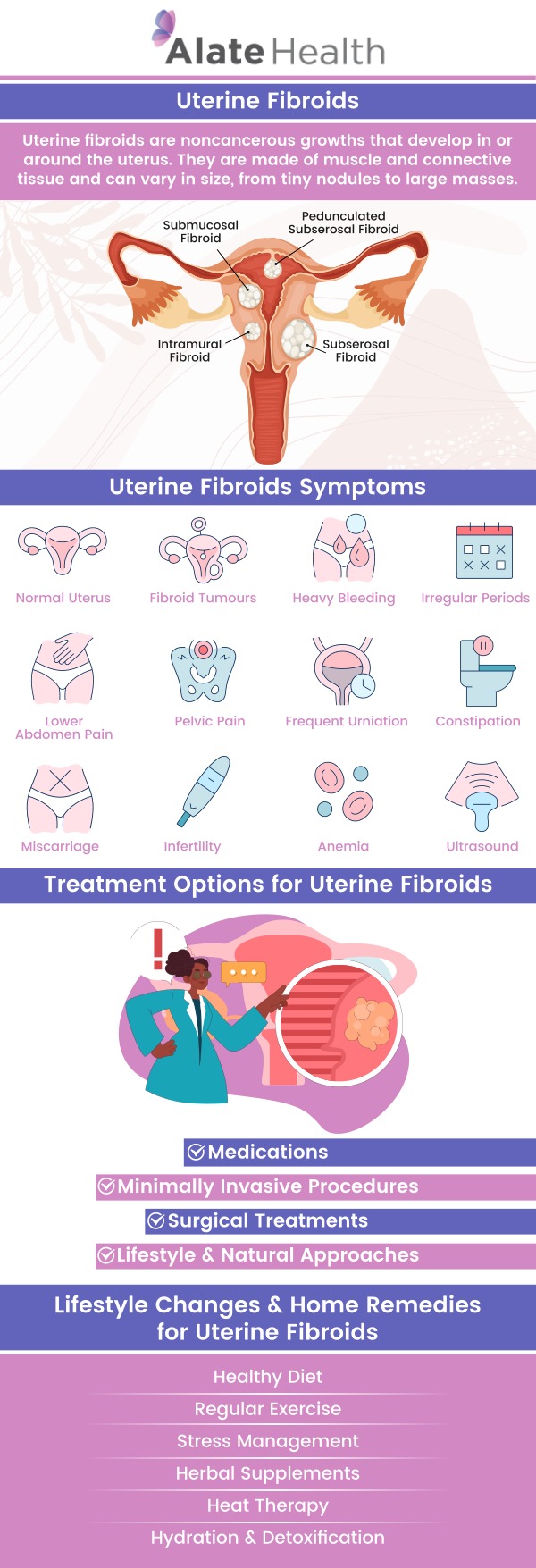
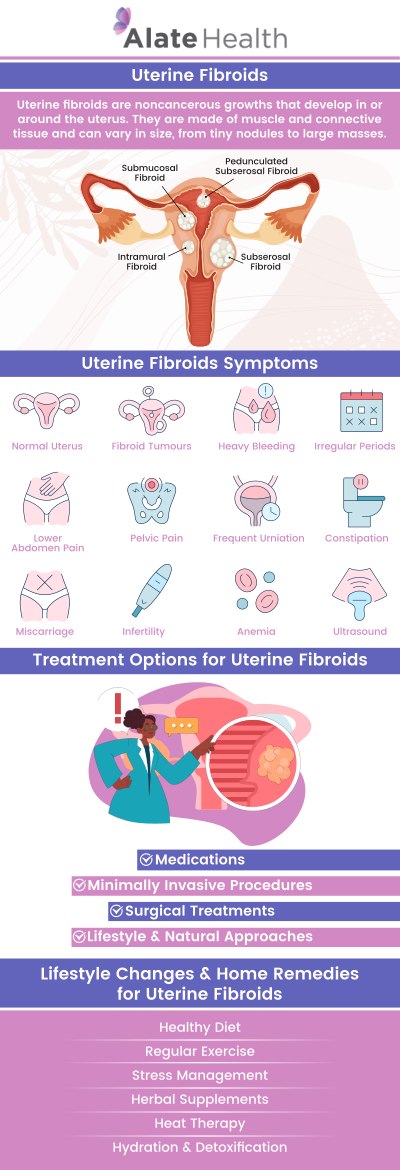
Table of Contents:
Can fibroids shrink on their own, or do they always require treatment?
Can fibroids be prevented, and how can you manage symptoms?
How can fibroids lead to pain or discomfort in daily activities?
Can lifestyle changes help manage fibroid symptoms?
Dr. Andrew Doe, MD, provides solutions for fibroid symptoms, helping restore daily function and comfort
Whether fibroids shrink on their own or require treatment depends on several factors, including their size, location, the symptoms they cause, and hormonal changes in the body.
In many cases, fibroids can shrink naturally, especially as hormone levels change. For example, after menopause, the body produces less estrogen and progesterone—the hormones that typically stimulate fibroid growth. As a result, fibroids often decrease in size or even disappear completely after menopause. Some women may notice a reduction in symptoms or that their fibroids become less problematic over time without any medical intervention.
However, not all fibroids shrink naturally, and some may continue to grow or cause significant symptoms such as heavy menstrual bleeding, pelvic pain, or pressure. In these cases, medical treatment may be necessary to manage the symptoms or prevent complications.
At Alate Health Interventional Radiology Clinic, we specialize in advanced, minimally invasive solutions for women with symptomatic fibroids. One of the most effective treatments we offer is Uterine Fibroid Embolization (UFE), a procedure performed by our experienced interventional radiologists. UFE works by blocking the blood supply to fibroids, causing them to shrink and relieving symptoms—without the need for major surgery or prolonged recovery.
Ultimately, the decision to treat fibroids depends on your unique situation, including your symptoms, age, future fertility plans, and overall health.
Fibroids, also known as uterine leiomyomas, are noncancerous growths that develop in or on the uterus. While the exact cause of fibroids is still unknown, factors such as hormonal changes, genetics, and lifestyle play a role. Although maintaining a healthy weight, eating a diet rich in fruits and vegetables, exercising, and managing blood pressure may help reduce risk, there is currently no guaranteed way to prevent fibroids.
If you are experiencing symptoms such as heavy menstrual bleeding, pelvic pain, or frequent urination, it’s important to know that effective treatments are available. At Alate Health Interventional Radiology Clinic, we specialize in minimally invasive, non-surgical treatments for fibroids, offering alternatives to traditional surgery.
Our Expertise: Uterine Fibroid Embolization (UFE)
UFE is a minimally invasive procedure performed by our board-certified interventional radiologists. Using advanced imaging guidance, we block the blood supply to the fibroids, causing them to shrink and symptoms to improve—without the need for major surgery or lengthy recovery times. UFE preserves the uterus and offers relief for women who wish to avoid hysterectomy or myomectomy.
Personalized Treatment Plans
Every woman’s experience with fibroids is unique. Our team works closely with you to understand your symptoms and reproductive goals, ensuring you receive a personalized care plan. In addition to UFE, we can discuss other non-surgical and medical management options, and coordinate with your gynecologist for comprehensive care.
As fibroids grow, they may press on nearby organs such as the bladder or rectum, causing pelvic pressure, frequent urination, or constipation. Many women experience a constant dull ache or sharp pain, especially during physical activity or prolonged standing.
Fibroids often lead to heavy or prolonged menstrual bleeding, which can result in anemia, fatigue, and weakness, making everyday tasks more difficult. Severe cramping and lower back pain during menstruation are also common, interfering with work, exercise, and daily routines. In some cases, fibroids can irritate pelvic nerves, causing pain that radiates down the legs or into the lower back, and may even make sexual intercourse uncomfortable.
Our interventional radiology specialists offer advanced, minimally invasive treatments such as Uterine Fibroid Embolization (UFE). UFE can effectively shrink fibroids and relieve symptoms without the need for major surgery, helping you regain comfort, restore energy, and return to your normal activities.
If you’re experiencing persistent pain or discomfort from fibroids, the team at Alate Health Interventional Radiology Clinic is here to help you find relief and improve your quality of life. Contact us today to learn more about your treatment options.
While lifestyle changes alone may not eliminate fibroids, adopting healthy habits can often reduce the severity of symptoms like pelvic pain, bloating, and heavy periods:
Maintain a Healthy Weight: Excess body fat can increase estrogen levels, which may contribute to fibroid growth. Regular physical activity, such as walking, swimming, or yoga, can help with weight management and may also ease discomfort related to fibroids.
Eat a Balanced Diet: Research suggests that a diet high in fruits, vegetables, and whole grains, and lower in red meat and high-fat dairy products, may help support hormonal balance. Foods rich in vitamin D and green leafy vegetables could be especially beneficial. Staying hydrated and limiting caffeine and alcohol intake can also support your general health.
Manage Stress: High stress levels can potentially worsen fibroid symptoms or make them harder to cope with. Stress management techniques such as mindfulness, meditation, deep breathing, and getting adequate sleep may help you feel better.
At Alate Health Interventional Radiology Clinic, our team of expert physicians, including Dr. Andrew Doe, MD, specializes in the diagnosis and treatment of uterine fibroids—a condition that may cause heavy menstrual bleeding, pelvic pain or pressure, and frequent urination. We are committed to helping women find relief from these disruptive symptoms through advanced, minimally invasive treatment options, such as Uterine Fibroid Embolization (UFE).
Dr. Doe and the Alate Health team take a comprehensive, individualized approach to care, offering thorough evaluations and a full spectrum of solutions tailored to your unique needs. Our state-of-the-art interventional radiology procedures are designed to minimize discomfort and recovery time, helping you return to your normal daily activities and improve your quality of life.
If you are experiencing symptoms related to fibroids, Alate Health Interventional Radiology Clinic provides compassionate, effective care to support your journey toward comfort and restored well-being. For more information, contact us or schedule an appointment online. We are located at We are conveniently located at 1213 Hermann Dr Suite 255, Houston, TX 77004. We serve patients from Houston TX, Bellaire TX, Jacinto City TX, Spring Valley Village TX, Stafford TX, Bunker Hill Village TX, and surrounding cities.

Additional Services You May Need
▸ Adenomyosis
▸ Enlarged Prostate
▸ Leg Ulcers
▸ Joint Pain
▸ Varicose Veins
▸ Uterine Fibroids
▸ Pelvic Congestion
▸ Vascular Malformations
▸ Dialysis/Renal Failure
▸ Port and PICC Placements
▸ Peripheral Arterial Disease
▸ Primary and Metastatic Liver Cancers
▸ Hemorrhoid Artery Embolization (HAE)




 Send Text
 How May I Help You?