Uterine Fibroid Embolization (UFE) Treatment

A safe and effective alternative to surgical hysterectomy and myomectomy

Uterine fibroid embolization (UFE) is a minimally invasive outpatient treatment to shrink fibroids in the uterus. It is clinically proven, FDA-approved and recommended by the American College of Obstetricians and Gynecologists (ACOG).

Uterine Fibroid Embolization (UFE) Treatment

UFE is recommended for patients who are looking for a non-surgical option to treat fibroids. Compared with surgery, UFE offers a faster recovery and a lower risk of complications. If you think you may wish to become pregnant in the future, UFE may also preserve your fertility.

Andrew Doe, MD, at Alate Health Interventional Radiology Clinic, is one of the most experienced physicians in the region at performing uterine fibroid embolization (UFE).

To learn more about uterine fibroid embolization, contact us today or book an appointment online.

What are uterine fibroids?

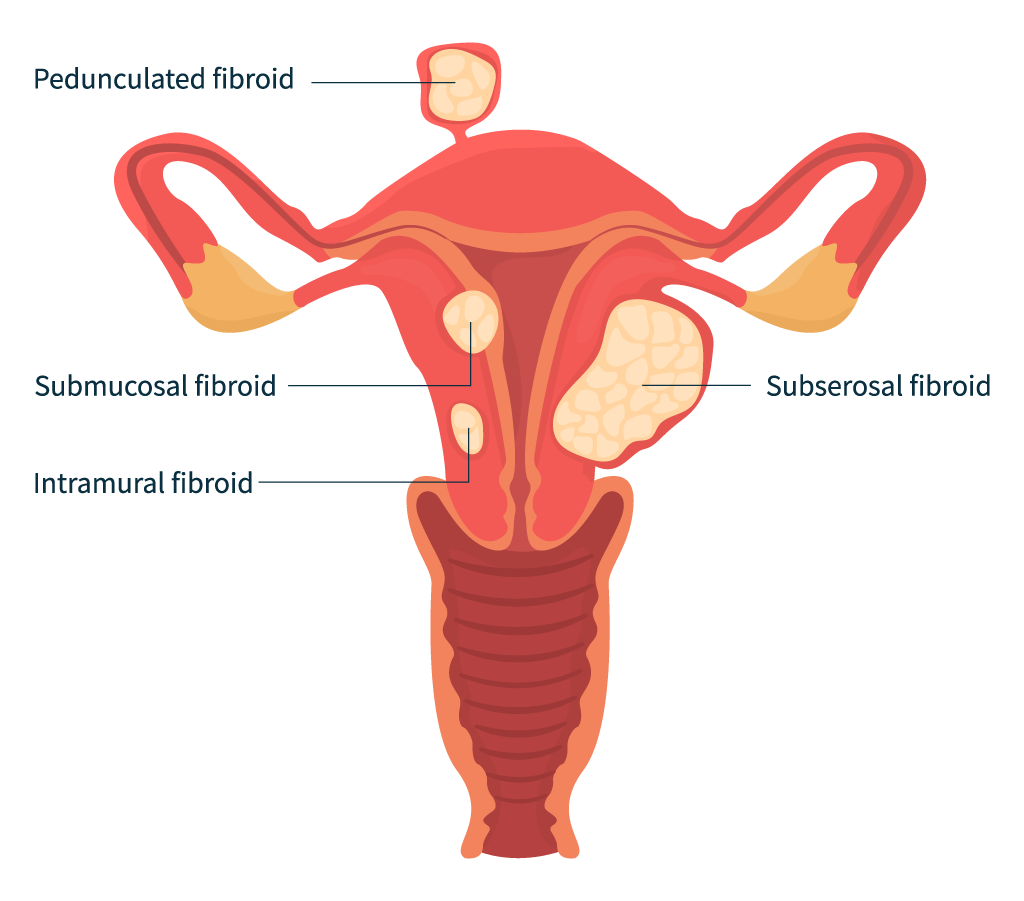
Uterine fibroids, also known as uterine leiomyomas or fibroids, are benign growths in or around the female uterus. Many people with fibroids have no symptoms, however for some, the symptoms can negatively impact their life. For example, they can cause heavy menstrual bleeding and pelvic pain. They can push against the bladder, causing the frequent need to urinate. They can cause pain during sex or lower back pain. In some cases, fibroids can make it difficult for a woman to become pregnant.

For women who are premenopausal, uterine fibroids will grow, and can form, with every menstrual cycle. As a result, treatment may be required to help manage the symptoms caused by these fibroids.

What is uterine fibroid embolization?

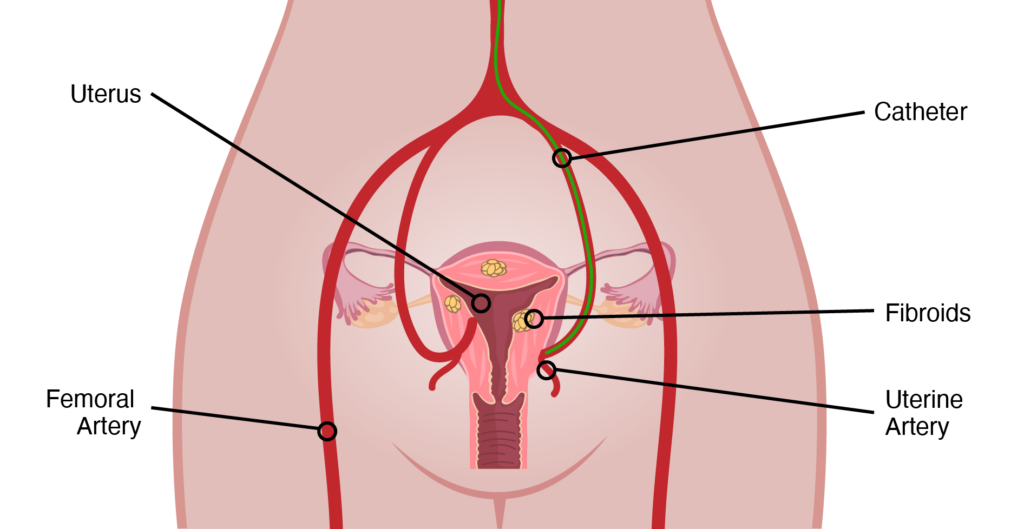
UFE is a safe, minimally invasive procedure to shrink fibroids and alleviate their symptoms. During the procedure, Dr. Doe uses a tiny catheter to deliver microparticles directly into the arteries that supply blood to the fibroids. These microparticles effectively block the blood flow to the fibroids, which causes them to shrink and the associated symptoms to lessen.

The catheter is inserted through a tiny incision in the wrist or groin. Dr. Doe then uses advanced imaging to guide the catheter to the uterine arteries. Once positioned in the artery feeding the fibroid(s), microparticles are injected to obstruct the blood supply.

UFE is highly effective at preserving the uterus and offers a much faster recovery compared with surgery. Performed at leading hospitals and institutions for more than 20 years, UFE is an excellent option for many women.

How long does symptom relief last after UFE?

While results vary, the majority of women enjoy sustained benefits for many years after UFE. After recovery, most women can resume normal activities within a week or two. Once the fibroids have shrunk they do not return to their original size. The longevity of results can depend on the size and location of fibroids.

Because UFE is non-surgical, the risks for women are minimal, and the long-term effects of uterus removal are avoided.

If you have uterine fibroids that are impacting the quality of your life, please call Alate Health today!

We can provide more information or schedule a consultation. We are conveniently located on Hermann Drive in Houston, and we serve patients from Houston Heights, Montrose, Pasadena, Pearland, Bellaire, Deer Park and surrounding areas of Texas.