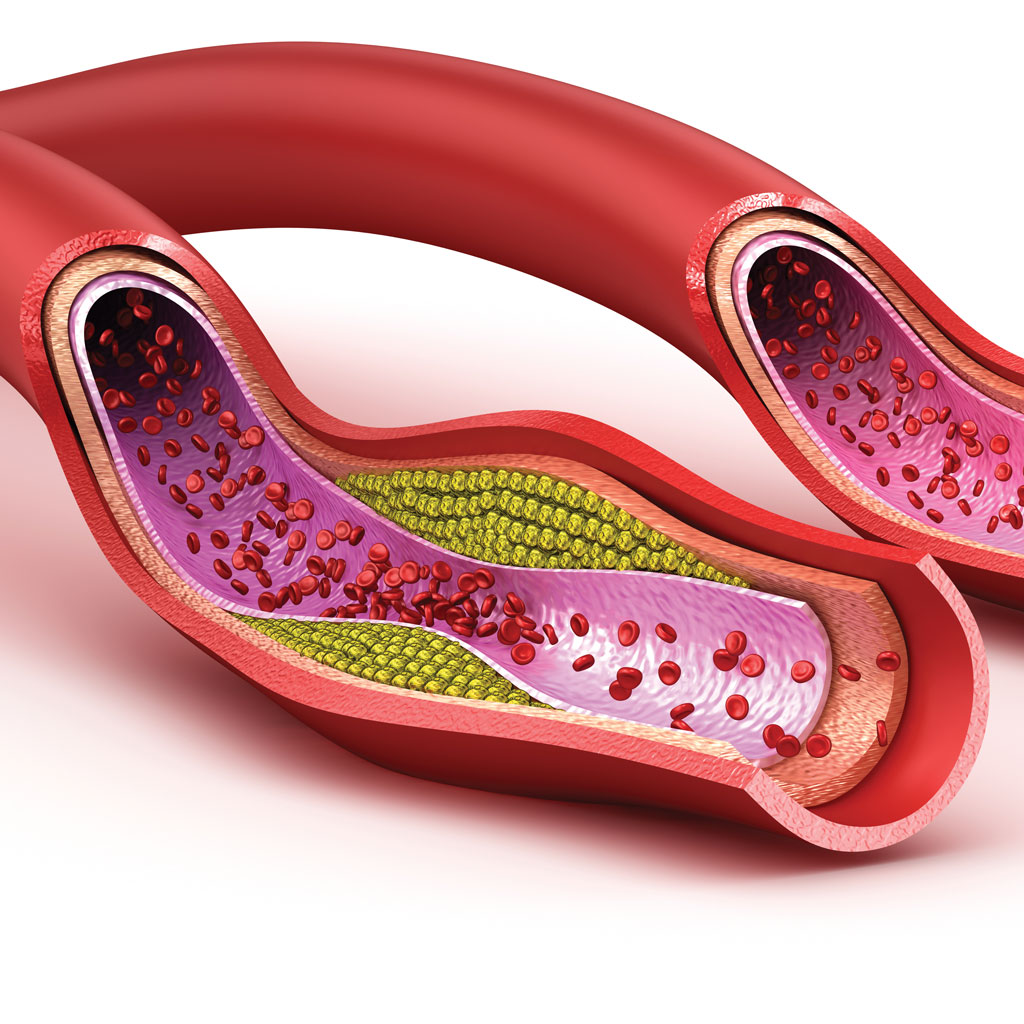
Peripheral Artery Disease (PAD) is a common but often overlooked circulatory condition that affects millions of people. Because symptoms can be subtle, many individuals can mistake them for normal aging, muscle strain, or joint issues. Understanding the early warning signs of PAD is critical—especially since untreated disease can lead to serious complications.
Below, we’ll explore the most common signs and symptoms, when to seek care, and available PAD treatment options.
What Is Peripheral Artery Disease?
Peripheral artery disease happens when plaque accumulates in the arteries that deliver blood to your legs and feet. This buildup narrows those arteries, which can cut down on blood flow—especially when you’re active. Over time, this reduced circulation can lead to pain, slow-healing wounds, and a higher risk of infections or even damage to your limbs.
Leg Pain When Walking: A Key Warning Sign
One of the earliest and most recognizable symptoms of PAD is leg pain when walking, also known as claudication. This pain typically:
- Occurs in the calf, thigh, hip, or buttock
- Starts during walking or exercise
- Improves with rest
- Returns when activity resumes
Many people assume this discomfort is due to arthritis or muscle fatigue, but recurring leg pain triggered by movement is a hallmark sign of circulation problems.
Other Common Signs and Symptoms of PAD
PAD can show up differently for each person.
Some additional signs to look out for include:
- Numbness, weakness, or a heavy feeling in the legs
- One leg or foot feels colder than the other
- Sores or wounds on the feet or toes that take a long time to heal
- Changes in the color or texture of the skin
- Hair loss on the legs or feet
- Toenails that are thickened or grow slowly
- A weak or absent pulse in the legs or feet
In more advanced cases, you might even feel pain while resting, especially in your feet or toes when lying down.
Who Is at Risk?
You may be at a greater risk for Peripheral Artery Disease if you smoke or have a history of smoking, have diabetes, or struggle with high blood pressure or high cholesterol. Risk also increases with age, particularly for those over 50, and for individuals with a family history of vascular disease. Because symptoms can be mild or even absent in the early stages, PAD often goes undiagnosed until the disease has progressed.
Why Early Diagnosis Matters
Ignoring symptoms of PAD can allow the disease to progress, increasing the risk of:
- Non-healing wounds or ulcers
- Infections
- Severe circulation problems
- Limb-threatening complications
The good news? Early diagnosis opens the door to effective PAD treatment options that can improve circulation and quality of life.
PAD Treatment Options
Treatment for peripheral artery disease depends on the severity of the condition and how far it has progressed. In many cases, care may begin with lifestyle changes such as quitting smoking and increasing physical activity to improve circulation. Medications may also be recommended to help improve blood flow and manage underlying risk factors like high cholesterol or blood pressure.
For some patients, minimally invasive, image-guided procedures can be used to restore circulation and relieve symptoms. A vascular specialist can evaluate your symptoms and overall health to determine the most appropriate treatment plan for you.
When to See a Specialist
If you’re dealing with leg pain while walking, feeling unusually fatigued in your legs, or noticing that foot wounds are taking longer to heal, it’s crucial to get a medical check-up.
Peripheral artery disease (PAD) is something that can be treated, especially if it’s identified early on. Being aware of the signs and symptoms of PAD can really help you maintain your mobility, independence, and overall vascular health.
If you’re worried about circulation problems or want to explore your treatment options for PAD, don’t hesitate to make an appointment with a specialist at Alate Health. For more details, reach out to us today or conveniently book an appointment online.