What vascular treatments do you offer?
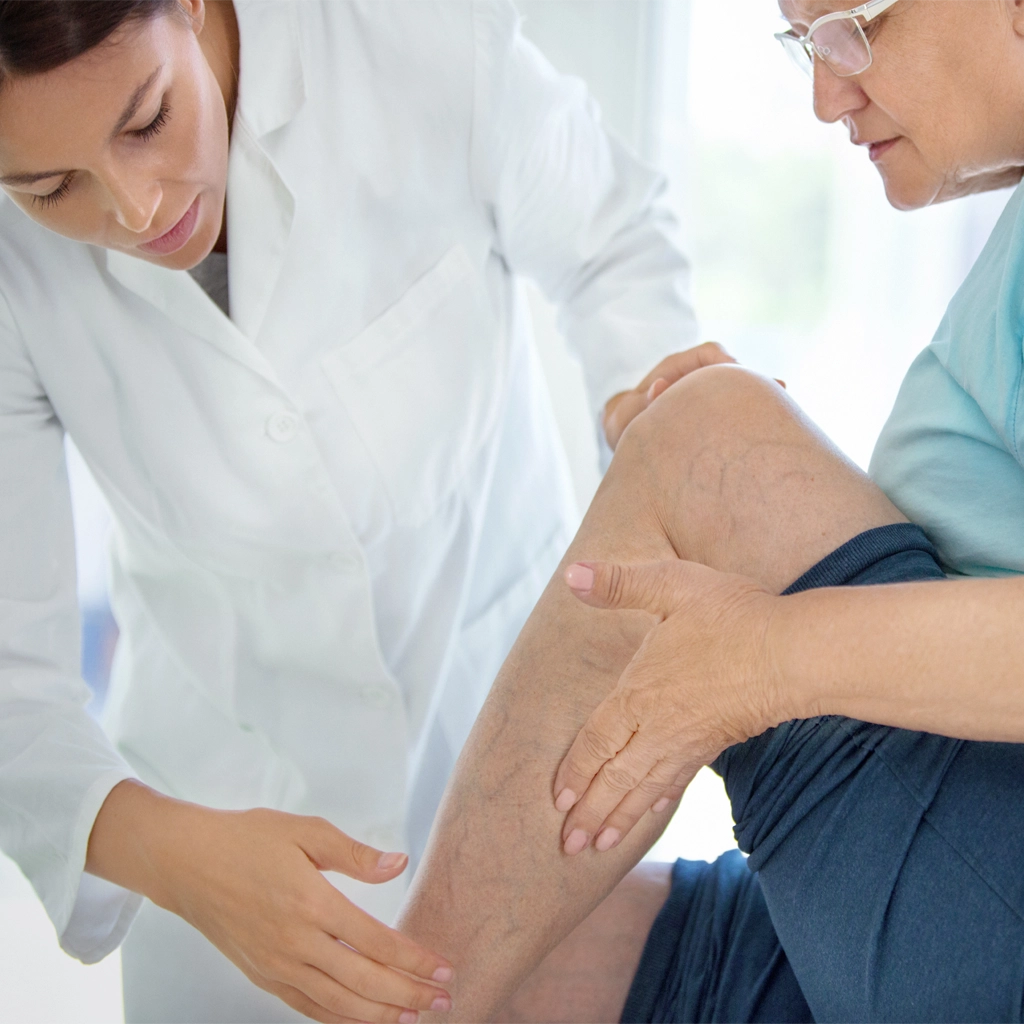
Our vascular treatments consist of a broad range of procedures designed to address conditions affecting the blood vessels, such as blockages and blood clots. We treat peripheral artery disease, deep vein thrombosis, varicose veins, leg ulcers and more.
Treatments performed at Alate Health are non-surgical and minimally invasive. They are performed with tiny catheters–guided in real time by advanced imaging–which are advanced to the site of the blockage or clot, which is then treated.
For peripheral artery disease, we offer two advanced non-surgical treatments. Balloon angioplasty is used to open a narrowed artery. In some cases, a stent may be used to keep the artery open. We also use a technique called atherectomy, which uses a special device to cut plaque from the artery wall and remove it from the body. Both treatments are highly effective for treating peripheral artery disease and to maintain blood flow to the legs or arms. Take our quiz to see if you qualify for PAD treatment at Alate Health »
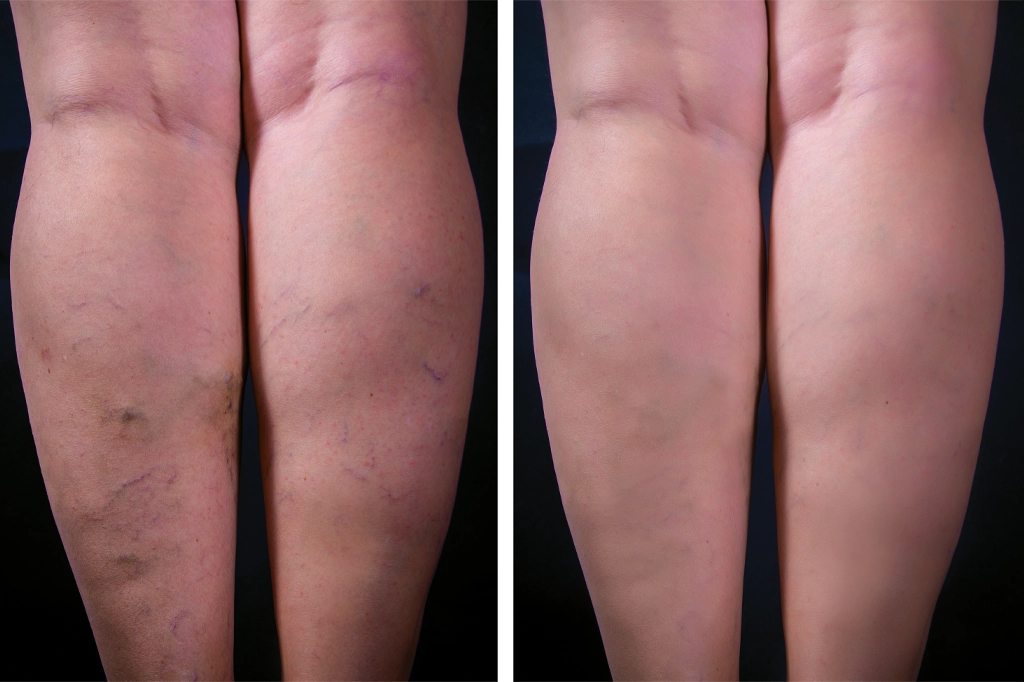
For the treatment of varicose veins, we use advanced laser therapy, a process that seals the affected vein shut. The vein shrinks over time and is then absorbed by the body and fades from view. For spider veins, we offer sclerotherapy injections. The injection causes the veins to harden, preventing blood from entering them. Eventually they are absorbed by the body, reducing their appearance significantly.
A leg ulcer is an open sore on the leg (usually above the ankle) that does not heal quickly. They cause pain, swelling and skin changes, including discoloration, swelling/hardening or itching. Leg ulcers are caused by poor circulation or problems with the arteries, veins or nerves in the legs. They are common among those with diabetes.
We invite you to consult with our specialists who can inform you of the wide range of vascular treatments we offer and help you decide which is right for you. Our treatments are non-surgical, minimally invasive and cause only minimal discomfort. You return home the same day as the procedure and can resume normal activities after a short period.