Venous Ablation & Sclerotherapy

Treatments for varicose veins/venous insufficiency

What is venous ablation?

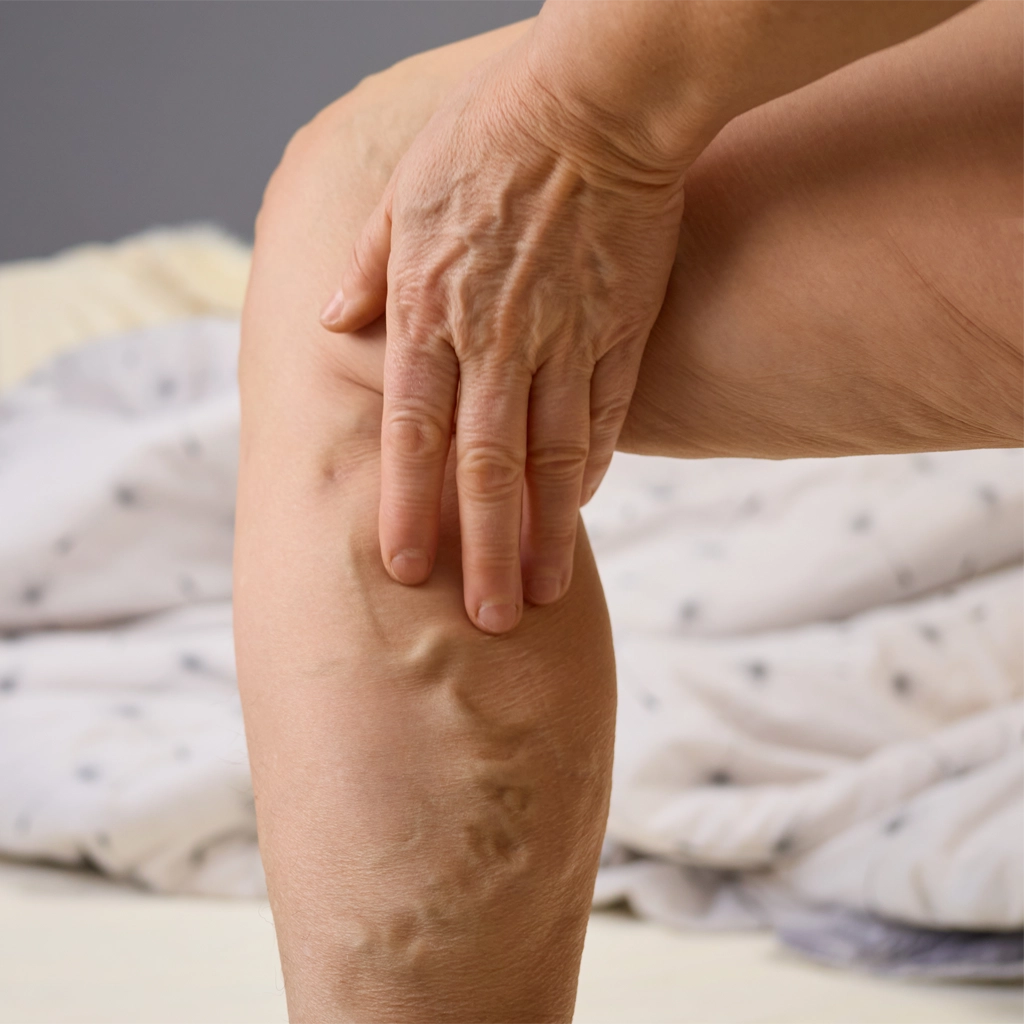
In medical terms, ablation refers to the removal or destruction of body tissue. Venous ablation refers to both the removal and destruction of a varicose or diseased vein. These are the unsightly, and sometimes painful, veins that rise above the surface of the skin, usually on the legs.

Venous ablation is performed by Dr. Andrew Doe at Alate Health. We offer a variety of techniques depending on the type of varicose veins you are experiencing. All are FDA-approved, covered by most insurance and highly effective at permanently treating varicose veins.

How does venous ablation work?

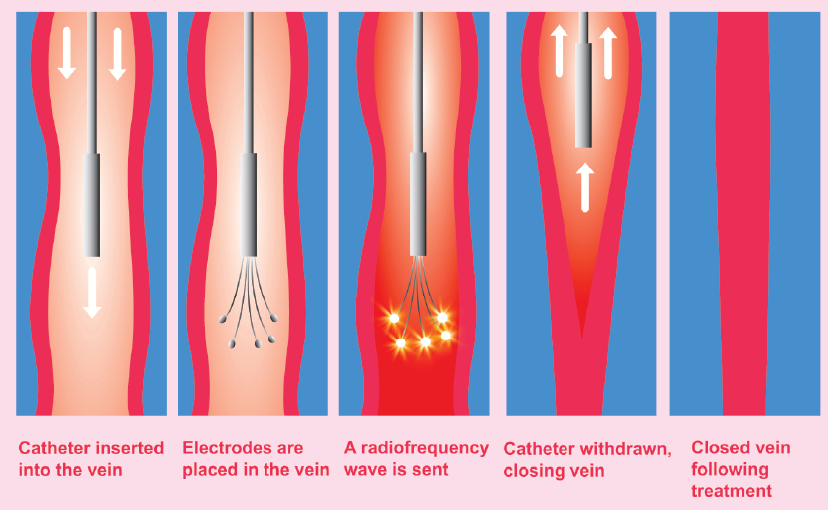
We perform venous ablation using state-of-the-art, minimally invasive technology. During venous ablation, a thin catheter is inserted into the affected vein, guided by ultrasound, which emits heat or radiofrequency energy that damages the vein, causing it to collapse and seal shut. Blood is naturally re-routed through other, healthier veins.

We offer a variety of venous ablation techniques:

  • Radiofrequency ablation (RFA), which uses radiofrequency energy to seal off the affected vein, has a success rate ranging from 80% to 95%. With our expert care, the long-term success rate of over five years can be maintained at around 70%.
  • Endovenous Laser Therapy (EVLT), which involves the use of laser energy to obliterate the vein, boasts an effectiveness of 85% to 95%, with long-term success rates comparable to those of RFA.
  • Non-thermal ablation techniques such as Venaseal glue, phlebectomy, and sclerotherapy are also available.

While venous ablation is generally safe, there is a risk of complications. These include minor skin burns, temporary numbness, and deep vein thrombosis. However, these complications are relatively rare, particularly when the procedure is performed by a skilled and experienced doctor.

What happens after my venous ablation procedure?

Alate Health offers comprehensive aftercare to ensure a smooth recovery and optimal results. Most patients can resume normal activities within a few days and will experience only mild discomfort.

Our team will provide compression stockings for you to wear for about one week post-procedure. These help to reduce swelling, promote circulation, and support healing. Over the next several weeks to months, the treated veins will gradually fade and disappear, and symptoms caused by the varicose veins should gradually improve.

We will arrange follow-up appointments with you to monitor your improvement and ensure proper healing. While venous ablation has a high success rate, there can be instances where more than one treatment may be required. To ensure the best results for our patients, our staff will provide thorough aftercare instructions. If you experience any complications or unusual symptoms after your procedure, please contact us immediately.

What is sclerotherapy?

Sclerotherapy is an effective long-term treatment for small-to-midsize varicose veins and spider veins. Once the veins have been sclerosed, they do not typically reopen or become visible again. Dr. Andrew Doe of Alate Health has extensive experience performing varicose and spider vein treatments and can help you address the cosmetic and discomfort issues caused by varicose and spider veins.

Sclerotherapy is a popular choice for treating the unsightly veins that appear on the skin’s surface, particularly on the legs and face. While those with this condition don’t always experience uncomfortable symptoms, treating them can help to restore confidence.

How does sclerotherapy work?

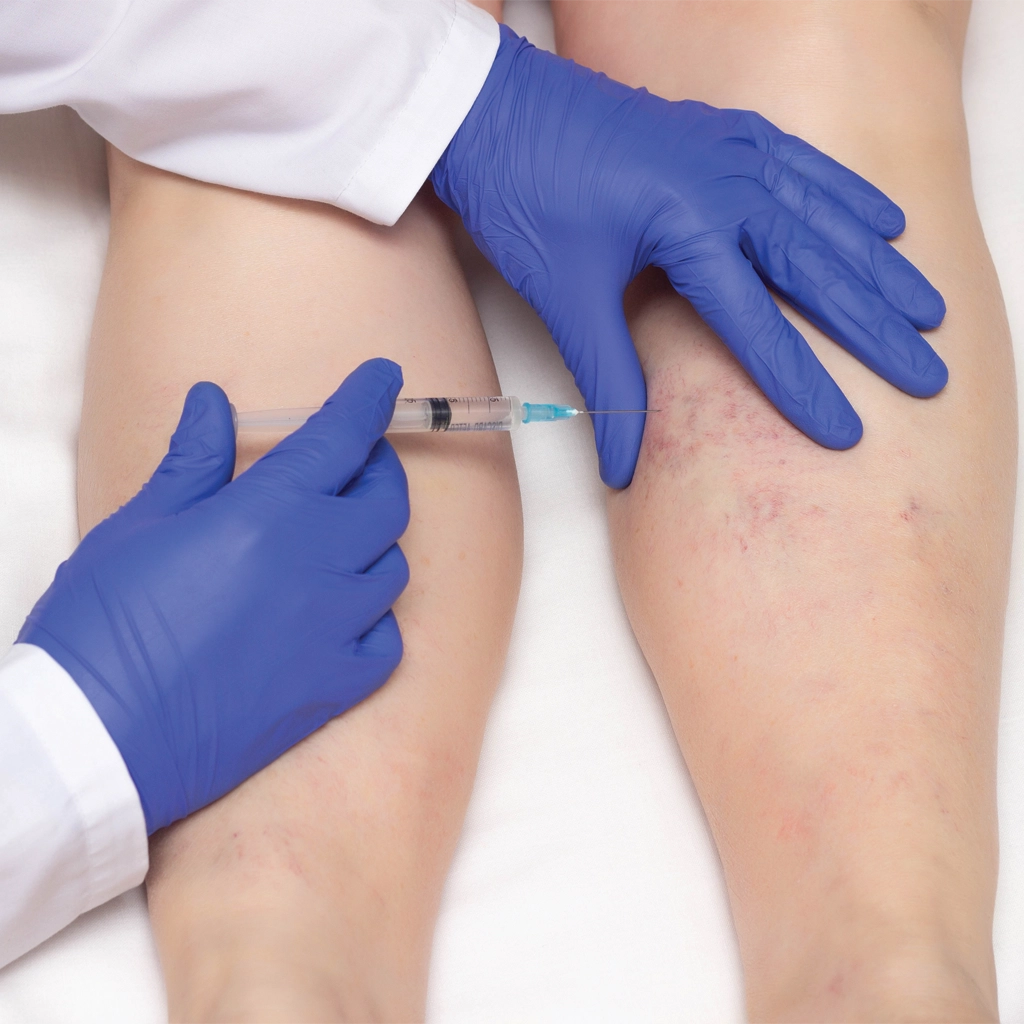
A sclerosant is a chemical solution that is injected directly into the affected veins. This causes them to collapse and seal off to prevent the flow of blood through them. Over time, the body absorbs the closed veins, removing their appearance, and blood is naturally re-routed through other, healthy veins.

Sclerotherapy requires only a brief recovery time, meaning you can resume normal activities soon after your treatment. Complete absorption of the veins and their fading from sight can take between a few weeks and several months, depending on your response to the treatment. This procedure not only improves aesthetic appearance, but can help reduce or eliminate physical symptoms such as aching, swelling or discomfort.

How do I know if I’m a candidate for sclerotherapy?

When you consult with us, we’ll recommend the best procedure (or combination of procedures) to effectively treat your varicose and spider veins. Those with spider veins or smaller varicose veins that are not a sign of more severe vascular disease will typically benefit from this procedure.

Good candidates are also generally in stable health, not pregnant or nursing, and do not have a history of blood clotting disorders.

How long does sclerotherapy last?

Sclerotherapy is considered a permanent solution for the veins that are treated. Once a vein has been sclerosed, it will not reopen or become visible again. However, that doesn’t mean that new varicose veins will not develop over time. It is important to follow through with your post-procedure care instructions, wear compression stockings when directed and avoiding sun exposure in the short term.

Sclerotherapy is available at Alate Health Interventional Radiology Clinic.

For more details, contact us today or book an appointment online. We’re conveniently located on Hermann Drive in Houston, TX.

Vein Ablation Q&A

Provided by a vein ablation procedure specialist

Vein ablation, or endovenous ablation, is a minimally invasive procedure to treat veins damaged or weakened by venous insufficiency. The affected veins struggle to send blood back to the heart, resulting in symptoms such as swelling, pain, heaviness, and skin changes in the legs. Our doctor inserts a thin catheter through a small incision in the skin and guides it into the varicosed vein. Using radiofrequency or laser energy, the catheter delivers heat which causes the vein walls to shrink and seal shut. Blood flow is redirected through healthier veins, alleviating the associated symptoms.

The procedure generally takes less than an hour and most of our patients experience minimal pain and downtime. Only a local anesthetic is used. The majority of our patients are able to resume normal activities within a day or two.

Vein ablation has a high success rate and a low risk of complications, however it’s important to note that it’s not a cure for venous insufficiency. Other varicose veins can develop in the future. The clinical team at Alate Health encourages ongoing lifestyle changes and routine check-ups to effectively manage your condition.

Our experienced team of medical professionals will work with you to assess your specific circumstance, medical condition, and expectations to determine if vein ablation is worth it for you.

The procedure, typically performed on an outpatient basis, offers a success rate of over 90% which is demonstrated in numerous clinical studies. It has been shown to improve symptoms like pain, cramping, swelling and itching, and can enhance the appearance of your legs. Treating varicose veins can also reduce the chances of forming blood clots and skin ulcers.

The healing process after vein ablation can vary significantly from person to person, depending on factors such as your general health and the specific vein that was treated. Most patients find that their veins begin to heal within one to two weeks following the procedure. For the vein to fully heal, it usually takes about two to four weeks, and in some cases, can take up to three to six months.

Some patients will notice significant improvements within a few days after the treatment, while others may not observe any changes until several weeks later. In the first few days after ablation, the treated vein may feel sore or tender and there may also be some bruising, swelling, or changes in skin color around the incision site–symptoms that will typically go away within a few days.

At Alate Health, we understand that the cost of medical procedures like vein ablation can be a significant consideration for our patients. The cost might vary significantly, depending on a variety of factors, such as the type of ablation performed, the complexity, size and number of veins treated.

Most vein ablation procedures are covered by insurance. If you are not sure if your insurance will cover this procedure, call us! We can help find out your coverage and help you determine if you will have any out-of-pocket expenses.

At Alate Health, we strive to make our healthcare services accessible and offer a variety of payment options, including insurance, cash, credit cards, and financing programs. We also provide payment plans and financial assistance to help manage the cost. Please call us for more information.