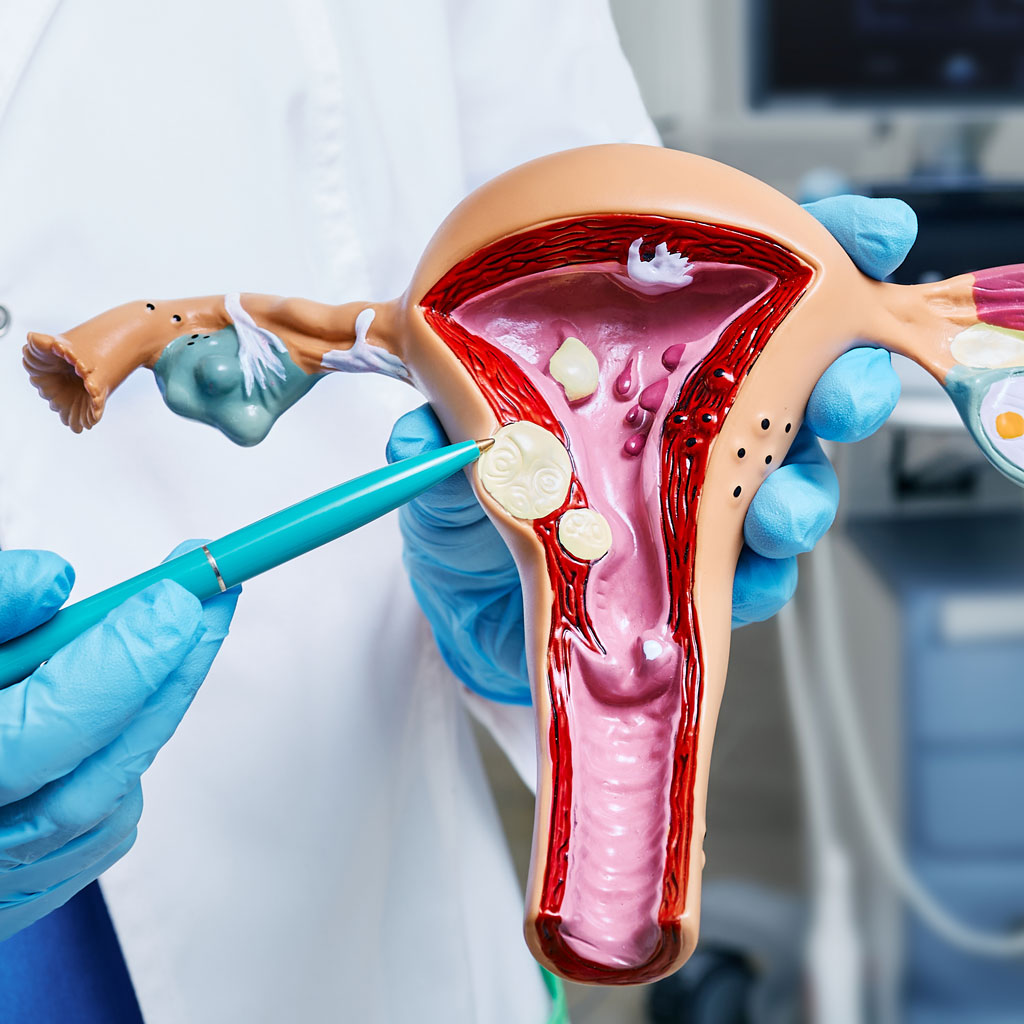
Uterine fibroids are incredibly common — yet many women are still told that a hysterectomy is their “best” or only solution. While hysterectomy can be appropriate in some cases, it’s not the only option.
When comparing UFE vs hysterectomy, more women are discovering that non-surgical fibroid treatment may offer effective relief without removing the uterus.
Uterine Fibroid Embolization (UFE) is a minimally invasive, image-guided procedure that treats fibroids by blocking their blood supply, causing them to shrink over time. In contrast, hysterectomy is a major surgery that removes the uterus entirely.
If you’ve been diagnosed with fibroids, here are the top five benefits of UFE over hysterectomy.
1. UFE Is a Non-Surgical Fibroid Treatment
One of the biggest differences in benefits of UFE over hysterectomy is that UFE does not require open surgery.
Hysterectomy may involve:
- Abdominal incisions
- Laparoscopic surgery under general anesthesia
- Several weeks of recovery
- UFE on the other hand:
- Requires only a tiny nick in the skin (similar to a blood draw)
- Is performed using advanced imaging guidance
- Does not involve removing any organs
For many women, avoiding major surgery is a powerful and reassuring option.
2. UFE Has a Faster Recovery and Less Downtime
Recovery time is one of the most important considerations when choosing fibroid treatment.
After hysterectomy:
- Hospital stays may be required
- Recovery can take 4–8 weeks
- Activity restrictions are common
After UFE:
- It’s typically an outpatient procedure
- Most women return to light activity within days
- Full recovery is significantly shorter than surgery
If work, family responsibilities, or lifestyle make long recovery difficult, UFE may be a more manageable solution.
3. UFE Preserves the Uterus
A hysterectomy permanently removes the uterus. For some women, this is emotionally difficult — even if they are not planning future pregnancies.
UFE treats fibroids while preserving the uterus. That means:
- No organ removal
- No surgical scarring from large incisions
- A treatment that addresses the problem without eliminating reproductive anatomy
When comparing UFE vs hysterectomy, uterine preservation is often one of the most meaningful benefits.
4. UFE Has a Lower Risk of Complications
All surgeries carry risks, including:
- Infection
- Excessive bleeding
- Blood clots
- Complications from general anesthesia
Because UFE is minimally invasive, the risks associated with major abdominal surgery are significantly reduced. The procedure is performed by a vascular or interventional specialist using small catheters and imaging guidance.
For many patients seeking a non-surgical fibroid treatment, reducing surgical risk is a major deciding factor.
5. UFE Effectively Treats Multiple Fibroids at Once
Fibroids often grow in clusters. Surgical approaches may focus on removing individual fibroids — or the entire uterus.
UFE works differently.
By blocking blood flow to the fibroids the procedure treats all fibroids simultaneously, including smaller ones that may not yet be causing noticeable symptoms. Over time, they shrink and symptoms such as heavy menstrual bleeding, pelvic pressure, frequent urination and abdominal fullness can significantly improve.
When Comparing Benefits of UFE Over Hysterectomy, What’s Right for You?
Every woman’s situation is unique. The size, number, and location of fibroids — as well as your medical history and personal goals — all matter.
Hysterectomy may still be appropriate in certain cases. But for many women, UFE offers an effective, non-surgical fibroid treatment that provides symptom relief without major surgery or organ removal.
The most important step is learning that you have options.
Explore Your Fibroid Treatment Options
If you have uterine fibroids that are impacting the quality of your life, call Alate Health today! We can provide more information or schedule a consultation. We are conveniently located on Hermann Drive in Houston, and we serve patients from Houston Heights, Montrose, Pasadena, Pearland, Bellaire, Deer Park and surrounding areas of Texas.
You deserve a treatment plan that aligns with your health goals, recovery preferences, and long-term well-being.